


A Jim Corbett jungle safari is not a regular sightseeing ride. You leave before sunrise or return close to sunset, sit in an open safari vehicle, pass through dusty forest trails, wait silently near water bodies and depend on weather, patience and forest rules. Packing correctly can make the difference between a comfortable safari and a distracting one.
This detailed Jim Corbett safari packing checklist is written for real travelers: families with children, couples on a weekend trip, photographers carrying camera gear, senior guests, and first-time visitors who are not sure what a forest drive actually feels like. The goal is simple. Carry everything that helps you stay warm, safe, quiet and prepared, but do not overload the jeep with unnecessary luggage.
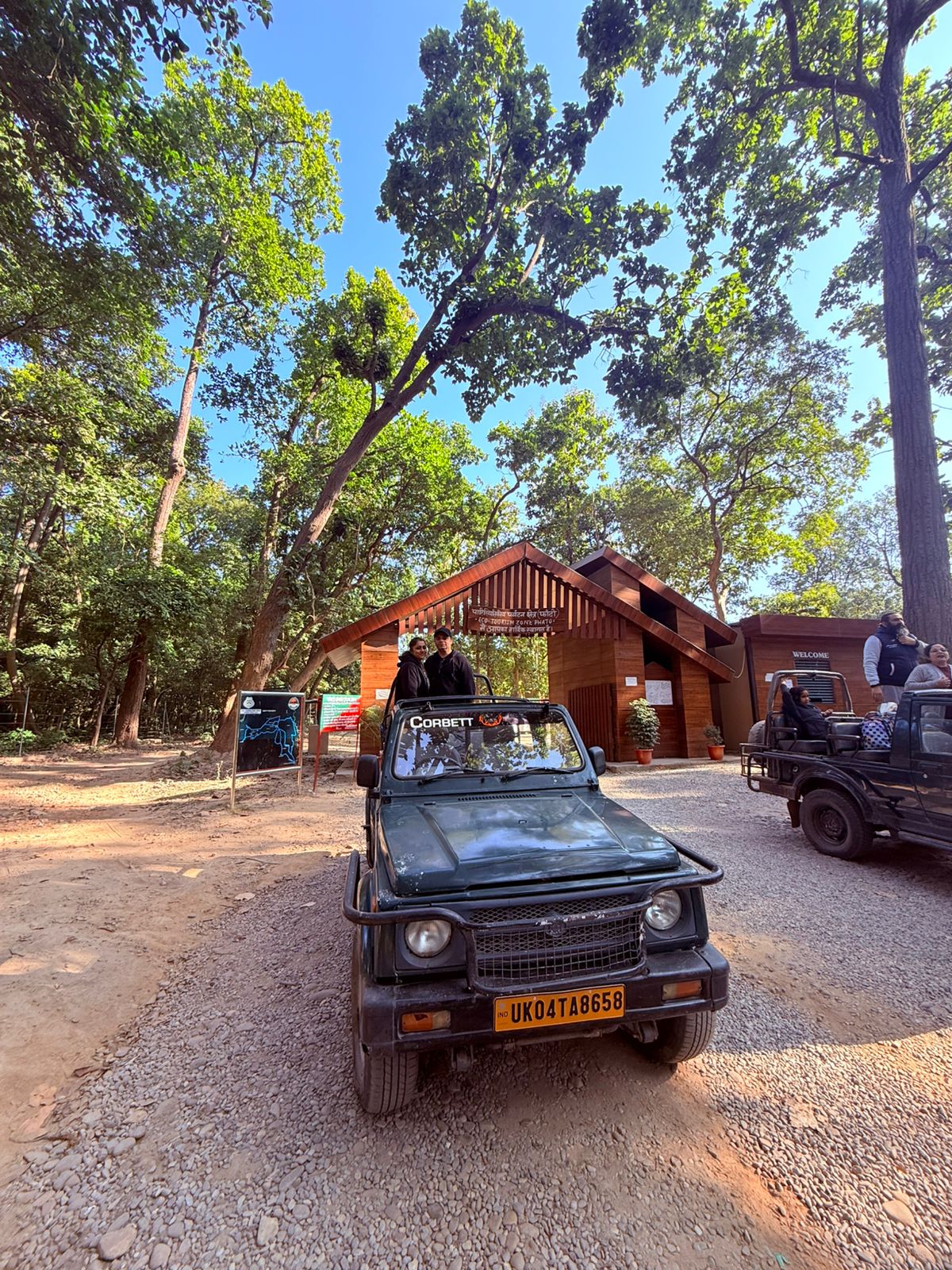
Start With the Most Important Rule: Pack Light, Pack Smart
Why a compact safari bag works better
Most visitors make one of two mistakes. Some arrive with only a phone and a thin jacket, then struggle during a cold morning safari. Others carry large backpacks, extra shoes, noisy packets and too many gadgets, which makes the limited jeep space uncomfortable. The best approach is a small day bag with the essentials you can access easily.
Keep your main suitcase at the resort. For the safari, carry one compact backpack or sling bag per couple or family. You need quick access to your ID, permit details, water, light snacks, camera, medicines and warm layer. If you are traveling in a shared vehicle, this becomes even more important because every passenger needs leg room and space to sit safely.
Documents You Must Carry for Jim Corbett Safari
Gate verification essentials
Your safari booking is linked to identity details, so documents are not optional. Carry the same original government ID that was used while booking the permit. A photo on your phone is helpful as a backup, but it does not replace the original ID when checked at the gate. Indian travelers usually carry Aadhaar, driving license, voter ID or passport. Foreign guests should carry passport and visa details as required.
Also keep your booking confirmation, resort address, pickup location, driver contact and local coordinator number saved offline. Network can be weak around some forest gates, especially early morning. A screenshot of your permit and hotel location can save time when everyone is trying to assemble before entry.
Document Checklist
- Original ID used for safari permit booking
- Safari permit or booking confirmation screenshot
- Hotel or resort address and booking voucher
- Emergency contact number and local coordinator number
- Some cash for small local payments where cards may not work
Best Clothes to Wear on a Jim Corbett Jungle Safari
Choose quiet colors and practical layers
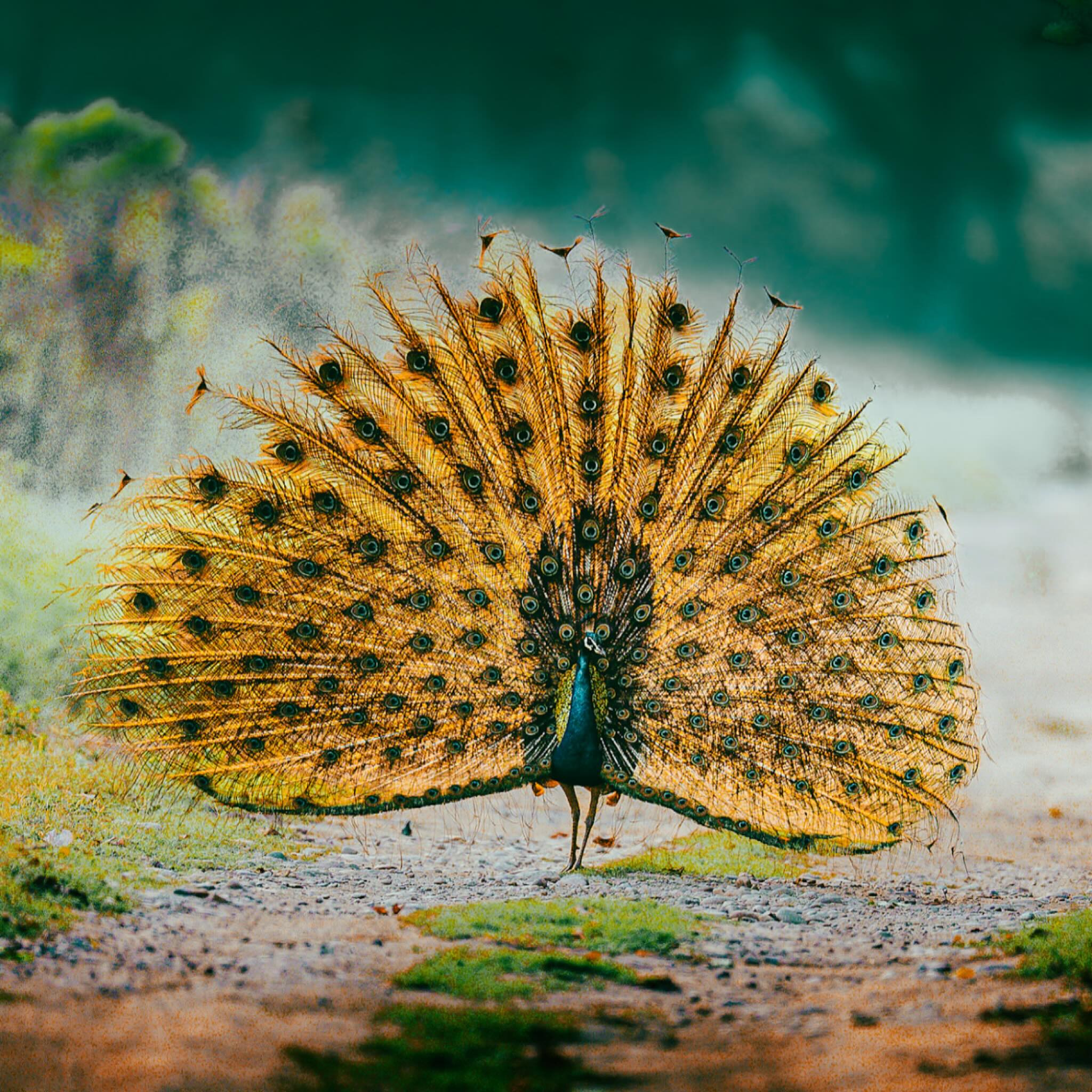
Safari clothing should be comfortable, modest, weather-appropriate and silent. Choose earth-toned colors like olive, khaki, brown, beige, grey, dark green or muted blue. Avoid neon colors, bright red, shiny fabric and loud printed clothing. Wildlife sightings are never guaranteed by clothing color, but muted clothing helps you blend better with the forest atmosphere and avoids unnecessary visual disturbance.
For most months, a full-sleeve cotton or dry-fit shirt is better than a sleeveless T-shirt. It protects you from sun, dust, insects and thorny edges if you brush past vegetation while entering or exiting the jeep. Trousers, joggers or comfortable jeans work better than shorts. Forest mornings can feel colder than resort lawns, and open vehicles catch wind quickly.
Winter Packing
November to February mornings can be very cold. Carry a warm jacket, muffler, wool cap and light gloves, especially for sunrise safari.
Summer Packing
March to June can be hot and dusty. Wear breathable cotton, carry sunglasses, cap, sunscreen and extra water.
Monsoon Packing
Some zones remain open while many routes may change. Carry quick-dry clothing, a light rain layer and waterproof pouch.
Footwear: Choose Comfort Over Style
Closed shoes are safer than resort footwear
You will not be walking inside the core forest, but you may need to stand near the gate, climb into the jeep, move around the resort, or walk through dusty parking areas. Closed shoes are the safest choice. Sports shoes, trekking shoes or sturdy sneakers are ideal. Avoid high heels, slippery sandals and loose flip-flops during safari movement.
If you are staying for two or three nights, carry a separate pair of sandals for the resort and keep closed shoes for safari. In winter, socks matter more than many people expect. Cold air enters from all sides in an open jeep, and warm socks can make the early morning drive much more comfortable.
Camera Gear, Binoculars and Phone Essentials
Pack viewing gear without crowding the jeep
You do not need professional equipment to enjoy Corbett, but a few viewing tools can improve the experience. A phone camera is enough for casual memories. If you are serious about wildlife photography, carry a DSLR or mirrorless camera with a zoom lens, extra battery and memory card. Do not change lenses repeatedly in dusty conditions unless necessary.
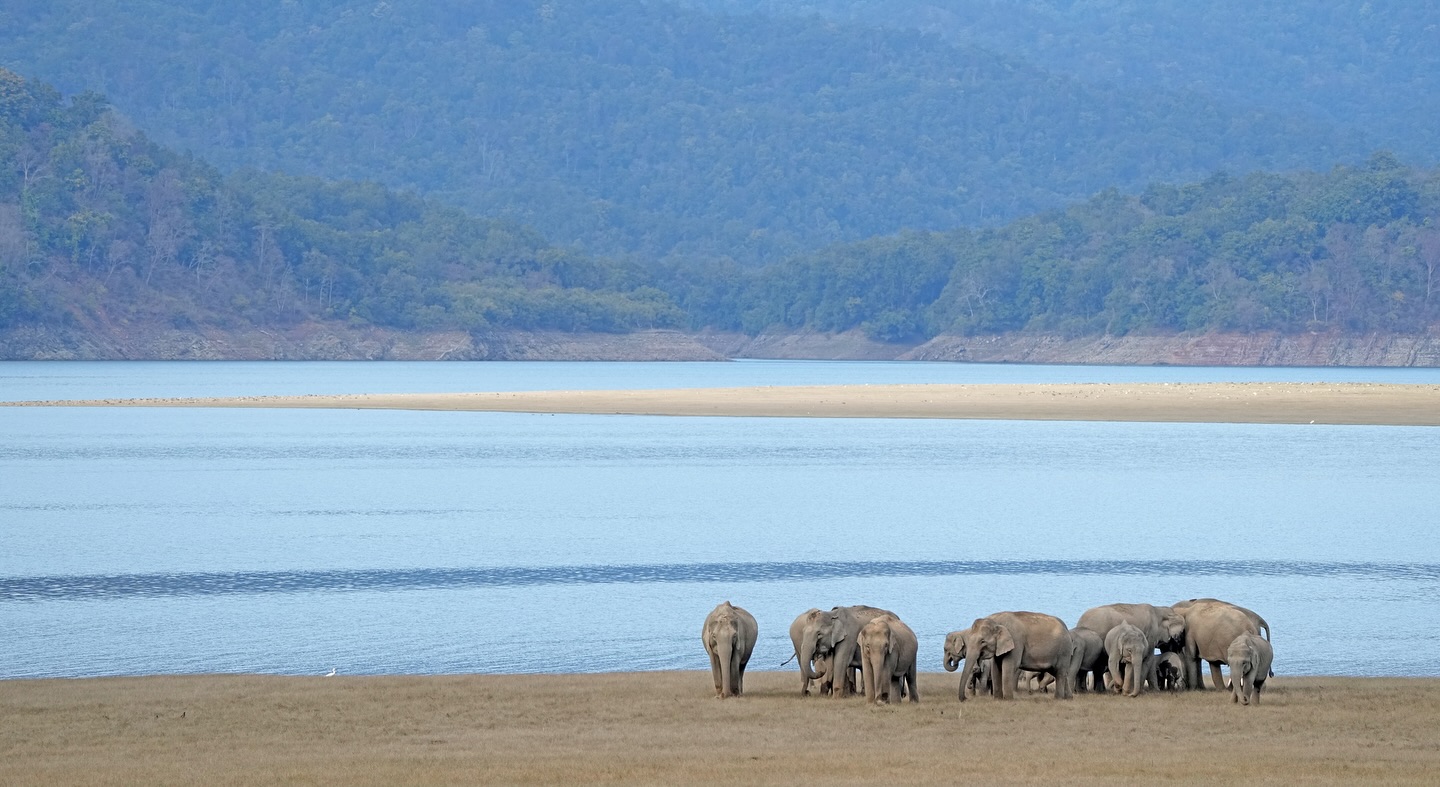
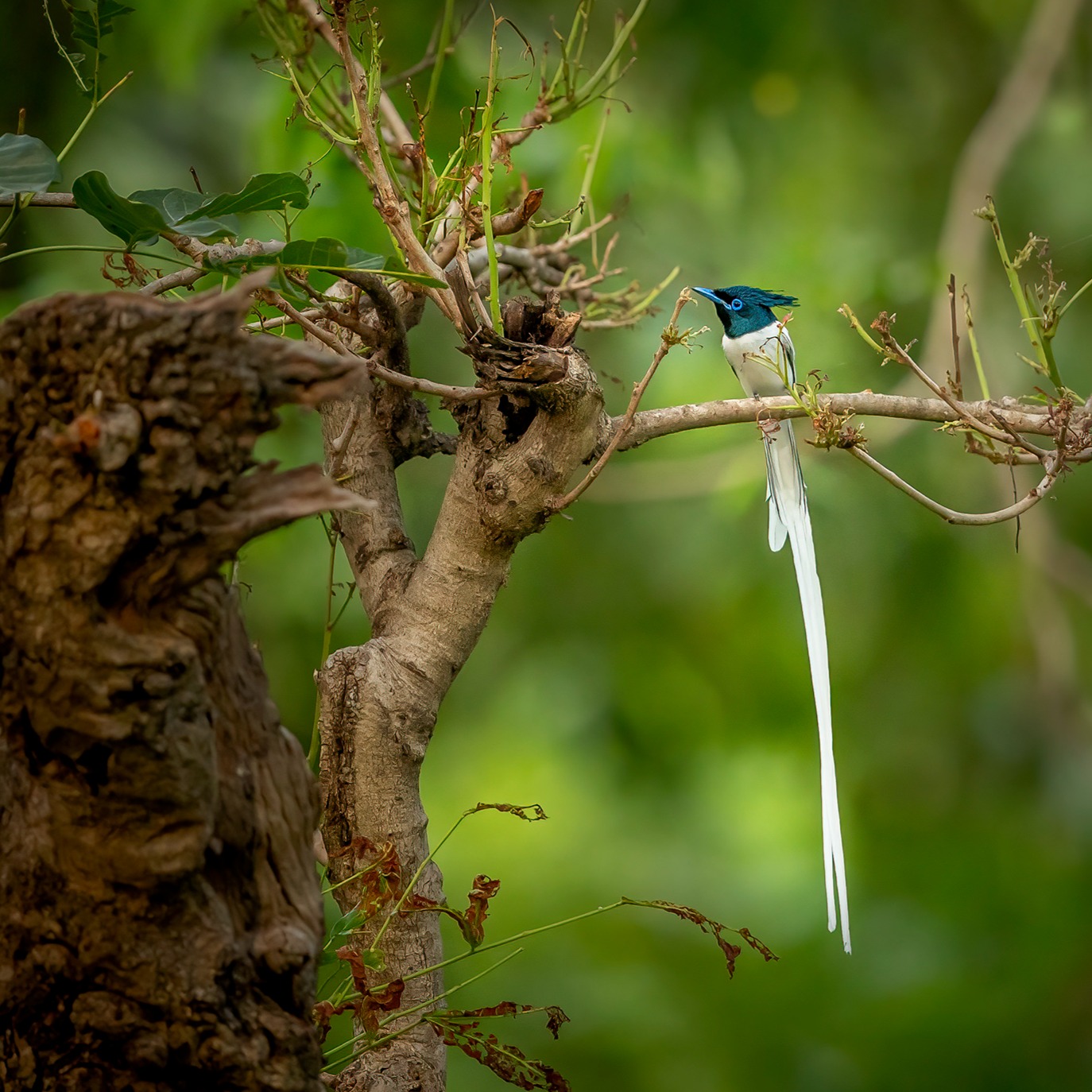
Binoculars are highly recommended, even for non-photographers. Corbett has rich birdlife, distant deer movement, crocodiles, elephants and occasional tiger movement across grasslands or riverbeds. Binoculars help you enjoy the forest even when animals are not close to the jeep. A compact 8x or 10x pair is usually enough for most travelers.
Responsible safari reminder: Keep your phone on silent, avoid flash photography, never play animal calls, and do not lean dangerously out of the jeep for a photo. A good safari memory should never disturb wildlife or compromise safety.
Medicines, Health Items and Personal Comfort
Keep personal medicines in the day bag
Carry your regular medicines in your safari bag, not in luggage left at the resort. This is especially important for guests with asthma, allergies, diabetes, blood pressure concerns or motion sickness. The safari route can be bumpy, and forest dust may affect sensitive travelers. A small personal medicine pouch is always useful.
Basic items include motion sickness tablets if prescribed, pain relief, allergy medicine, inhaler, sanitizer, tissues, sunscreen, lip balm and any personal prescription. If you are traveling with children or senior family members, pack according to their routine rather than assuming the safari will be short and easy.
Food, Water and Snacks: Keep It Simple
Carry less, litter nothing
Carry a reusable water bottle and drink enough water before and after safari. In winter you may not feel thirsty, but open-air drives still dehydrate you. During summer safaris, water becomes essential. Keep snacks light and low-noise: dry fruits, energy bars, plain biscuits or fruit. Avoid strong-smelling food, messy packets and anything that creates litter.
Most importantly, do not throw anything inside the forest. Even a small wrapper is harmful and disrespectful. Keep a small waste pouch in your bag and bring everything back to the resort. Forest guides and drivers appreciate guests who follow this basic discipline.
What to Pack for Children on Safari
Prepare children before the vehicle arrives
Children can enjoy Jim Corbett safari when they are prepared properly. Carry a warm layer, cap, water, simple snacks, tissues and any required medicine. Explain before the safari that shouting, standing suddenly or asking the driver to chase animals is not allowed. If your child gets bored easily, binoculars can keep them engaged by helping them spot birds, deer and monkeys.
Avoid carrying toys that make sound. Do not hand over loose snacks in open packets that may spill in the vehicle. If you are traveling with very young children, choose your safari timing carefully. Winter morning drives can be harsh for small kids, while afternoon safaris may be more comfortable depending on the season.
What Not to Carry Inside the Safari Vehicle
Leave bulky, loud and restricted items behind
Good packing also means knowing what to leave behind. Large suitcases, music speakers, drones, alcohol, strong perfumes, bright flashlights, plastic-heavy snack bags and unnecessary valuables should not enter the safari vehicle. Drones are not allowed in forest areas without official permissions. Loud music and shouting ruin the experience for everyone and disturb the forest environment.
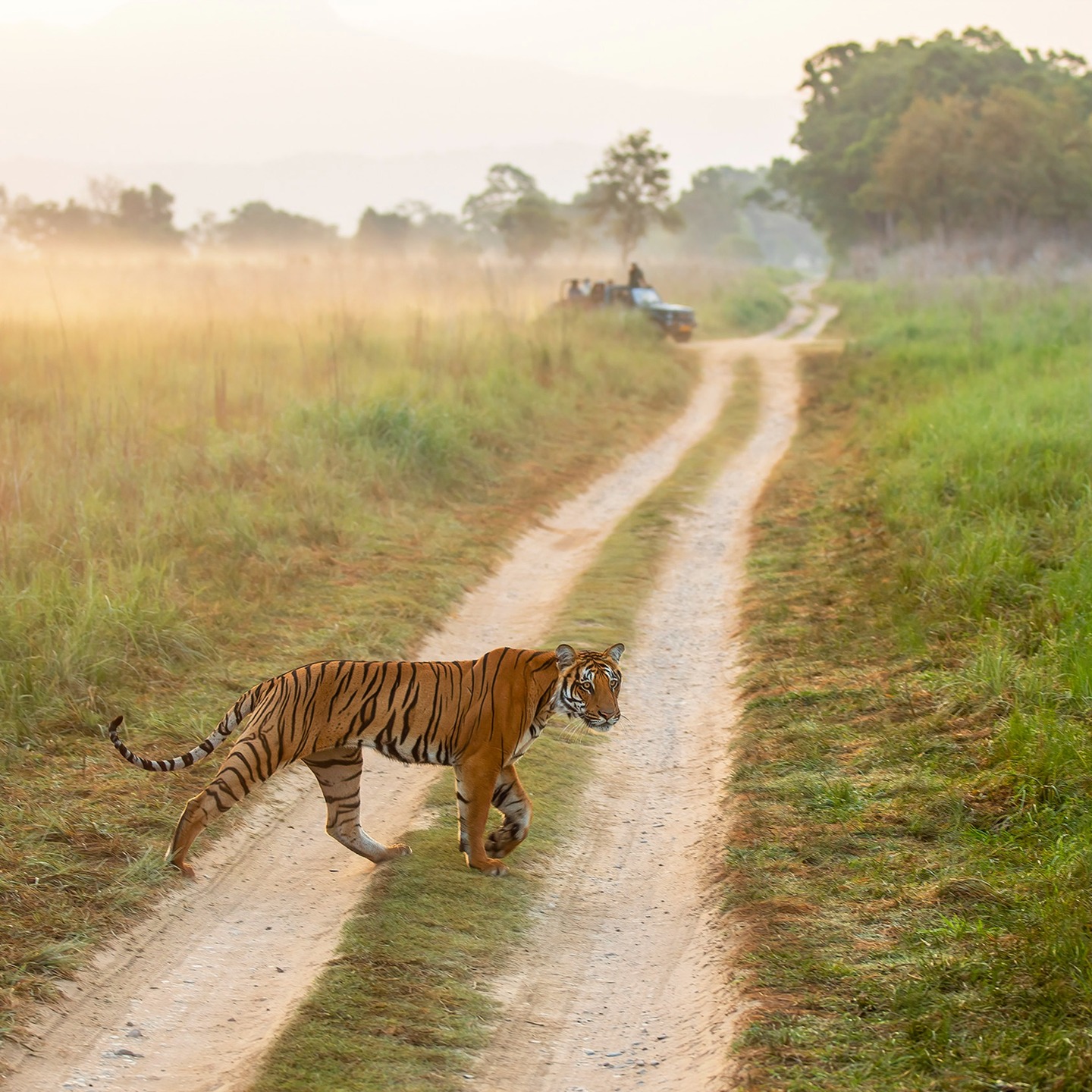
Do not carry expectations that every safari must show a tiger. Corbett is a real forest, not a staged wildlife park. The better mindset is to stay observant and enjoy the complete landscape: sal forest, riverbeds, grasslands, birds, deer, elephants, alarm calls and the quiet tension of the jungle.
Season-Wise Jim Corbett Safari Packing Table
| Season | Must Carry | Extra Tip |
|---|---|---|
| Winter | Jacket, cap, muffler, socks, gloves, moisturizer, lip balm | Morning safari feels much colder in an open jeep than at the resort. |
| Summer | Cap, sunglasses, sunscreen, breathable clothes, water bottle | Choose comfortable fabrics and avoid heavy dark clothing. |
| Rainy Period | Light raincoat, waterproof pouch, quick-dry clothes, spare socks | Some zones and routes may change depending on forest conditions. |
| Photography Trip | Zoom lens, batteries, memory cards, lens cloth, bean bag if allowed | Keep gear protected from dust and avoid blocking other passengers. |
Zone-Specific Packing Advice
Adjust your bag by safari route and vehicle type
If you are visiting open and scenic zones such as Dhikala or Bijrani, binoculars and camera gear feel especially useful because the landscape often gives longer views. For Jhirna, Dhela, Garjiya and Phato, dust protection, comfortable clothing and patience matter because forest routes can vary by season. Sitabani visitors often enjoy birding, so binoculars and a birding app can add value.
For Dhikala canter safari, pack even lighter because you are sharing space with more passengers. For a private jeep safari, you have slightly more flexibility, but the same rule applies: compact, quiet and useful items only.
How to Pack for an Overnight Corbett Stay
Separate safari items from resort luggage
If your safari is part of a one-night or two-night Jim Corbett tour package, separate your luggage into two parts. Keep resort clothing, toiletries and extra footwear in your main bag, and keep safari essentials in a smaller bag that can be picked up quickly before departure. This simple separation prevents early morning confusion when the driver arrives and everyone is still half-awake.
For resort time, you can carry comfortable casual clothes, swimwear if your property has a pool, sleepwear, chargers and basic toiletries. For safari time, keep only what you need during the drive. Families should prepare children's jackets, snacks and medicines the previous night. Photographers should charge batteries, format memory cards if needed, clean lenses and keep camera settings ready before reaching the gate.
If you are checking out immediately after safari, pack your main luggage before leaving for the drive. Many morning safaris return close to breakfast time, and checkout can feel rushed if bags are still open. A little planning at night keeps the safari morning calm, which is exactly how a forest experience should begin.
Final Jim Corbett Safari Packing Checklist
Must Carry
- Original ID proof used for safari booking
- Permit screenshot and local contact details
- Water bottle, personal medicines and sanitizer
- Weather-appropriate jacket, cap or sun protection
- Comfortable closed shoes
Good to Carry
- Binoculars for birds and distant wildlife
- Camera with extra battery and memory card
- Small waste pouch for wrappers
- Light snacks for children or senior guests
- Power bank and phone on silent mode
Frequently Asked Questions
Carry the original ID used for permit booking, permit screenshot, water bottle, personal medicines, weather-appropriate clothing, closed shoes, sunglasses or cap, and a small waste pouch. Keep everything in one compact day bag.
You should carry the same original government ID that was submitted during safari permit booking. Indian guests commonly use Aadhaar, driving license, voter ID or passport. Foreign guests should carry passport and visa details.
Wear comfortable full-sleeve shirts or T-shirts, trousers or joggers, and muted colors such as olive, khaki, brown, grey, beige or dark green. Avoid shiny fabric, neon colors and noisy jackets.
Closed shoes are best. Sports shoes, trekking shoes or sturdy sneakers give better grip while climbing into the jeep and moving around dusty parking areas. Avoid heels, slippery sandals and loose flip-flops.
Yes. From November to February, morning safaris can feel very cold in an open jeep. Carry a warm jacket, wool cap, muffler, socks and light gloves, especially for sunrise drives.
Bright clothes are best avoided. They may not decide sightings, but muted clothing is more suitable for the forest atmosphere and creates less visual disturbance for other guests and guides.
Binoculars are not mandatory, but they make the safari more rewarding. They help you see birds, deer, crocodiles, elephants and distant movement across grasslands, riverbeds and forest edges.
Yes, cameras are commonly carried for safari. Bring an extra battery, memory card and lens cloth. Keep gear compact, avoid changing lenses repeatedly in dust, and do not block other passengers.
Avoid flash photography around wildlife. Keep your phone silent, do not play animal sounds, and follow your guide's instructions so the safari remains safe and responsible.
Pack a warm layer or cap depending on season, water, simple snacks, tissues and any required medicine. Binoculars can keep children interested without creating noise inside the vehicle.
Carry regular prescriptions, inhaler if needed, allergy medicine, motion sickness medicine if prescribed, pain relief, sanitizer, tissues, sunscreen and lip balm. Keep medicines in your safari bag, not in luggage at the resort.
Carry only light snacks if needed, such as dry fruits, energy bars, plain biscuits or fruit. Avoid noisy packets, strong-smelling food and anything that may create litter.
Avoid single-use plastic as much as possible. Carry a reusable water bottle and keep a small waste pouch. Nothing should be thrown inside the forest, including wrappers or tissue paper.
For March to June, carry breathable cotton clothing, sunglasses, sun cap, sunscreen, water bottle, scarf or buff for dust, and light snacks. Avoid heavy dark clothing during hot afternoon drives.
For winter, carry a warm jacket, muffler, wool cap, socks, gloves, moisturizer and lip balm. Layering works best because the temperature may feel different before sunrise and after the sun comes up.
Carry quick-dry clothes, light rain layer, waterproof pouch for phone and documents, spare socks and closed footwear with good grip. Safari routes may vary depending on forest conditions.
Large luggage should be kept at the resort or in your vehicle outside the safari arrangement. A safari jeep has limited passenger space, so carry only a compact day bag with essentials.
Do not carry drones, speakers, alcohol, strong perfume, bright flashlights, heavy suitcases, messy food or unnecessary valuables. Loud and bulky items reduce comfort and disturb the safari experience.
Carry some cash for small local payments, tips or emergency needs because card and UPI connectivity can be unreliable near some gates, resorts and forest-side areas.
Be ready before the reporting time shared by your safari coordinator or driver. Keep your ID, permit screenshot, jacket, shoes and day bag prepared the previous night to avoid rushing in the morning.
Final Thoughts
The best Jim Corbett safari packing list is not the biggest one. It is the one that keeps you comfortable, prepared and respectful toward the forest. Carry your ID, dress for the season, protect yourself from dust and sun, keep your phone silent, bring binoculars if possible and leave behind anything loud or unnecessary.
For safari permit help, zone selection, hotel stay and complete Jim Corbett tour planning, Corbett Waala can help you match your travel dates with the right safari zone and package.