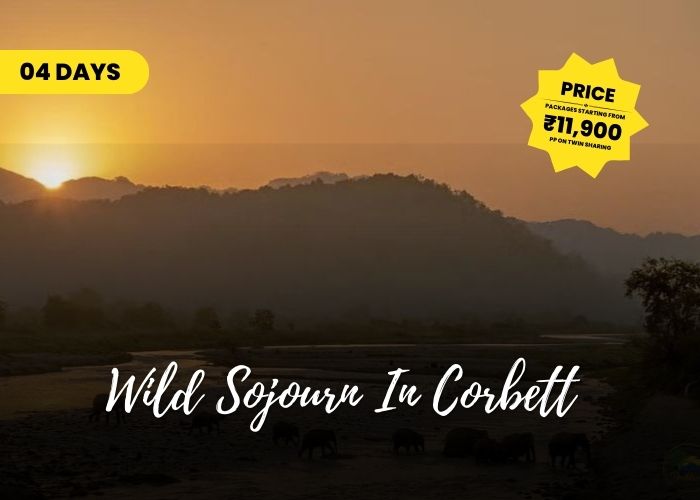
Phato Zone in Jim Corbett National Park is a relatively new safari area, offering a serene and less crowded experience for wildlife enthusiasts. Known for its scenic landscapes, rolling grasslands, and dense forest patches, it provides excellent opportunities for spotting tigers, leopards, elephants, and various deer species. Birdwatchers can enjoy diverse avian life, including kingfishers and eagles. Accessible mainly by jeep safaris, Phato Zone is ideal for nature lovers seeking a peaceful and immersive jungle adventure, away from the more popular zones.

It's highly recommended to book well in advance, especially the safari permits, which open slots up to 45 days prior. The Official Corbett Tiger Reserve website is the only source to get a safari permit. You'll need to provide ID details for all visitors. Be aware that permits are generally non-refundable. Corbett Waala also facilitate Corbett Safari bookings, often including permit, jeep, and a guide. Remember to carry your original ID!
You can only book a permit through the official website, rest other essentials like jeep and guide need to book manually. You can simply ask us to do all the hard work for you.
Jim Corbett National Park, located in Uttarakhand, is one of the most popular wildlife destinations in India. Known as the country’s first national park and the birthplace of Project Tiger, it attracts thousands of wildlife lovers every year. The biggest highlight of visiting Corbett is undoubtedly the jungle safari, which allows visitors to explore the dense forests, riverbeds, and grasslands while spotting tigers, elephants, leopards, deer, and hundreds of bird species.
If you are planning a Corbett jungle safari, here’s everything you need to know about the types of safaris, different zones, the best time to visit, useful tips, and answers to the most asked questions.
Jim Corbett National Park, India's first and most celebrated tiger reserve, is divided into several safari zones, each offering unique wildlife experiences. Among these, the Phato Zone stands out as a relatively new and less-explored area, providing visitors with a pristine and tranquil wildlife adventure. Opened in recent years to promote eco-tourism while maintaining a sustainable environment, Phato Zone has quickly become a favorite for those seeking solitude, natural beauty, and diverse wildlife.
Phato Zone is located on the outskirts of the main Corbett Tiger Reserve and is accessible primarily via jeep safari. Situated approximately 30–35 kilometers from Ramnagar, it offers a quiet alternative to the more popular zones like Dhikala or Bijrani. The drive to Phato takes visitors through lush forests, small villages, and scenic roads that set the tone for a wilderness experience even before entering the zone itself. Unlike other zones that attract large crowds, Phato provides a more intimate interaction with nature, making it ideal for wildlife photographers, nature enthusiasts, and families who prefer peaceful safari experiences.
The terrain of Phato Zone is remarkably diverse. It features a harmonious blend of dense sal forests, open grasslands, riverbeds, and hilly stretches that create an ideal habitat for a wide range of flora and fauna. The mixed deciduous forests consist of sal, sheesham, rohini, and haldu trees, providing dense canopy cover and shelter for herbivores and predators alike. Small streams and waterholes are scattered throughout the zone, offering wildlife crucial water sources, especially during the dry season. This varied landscape not only enhances the visual beauty of the zone but also supports a healthy ecosystem where both predators and prey can thrive naturally.
Phato Zone is home to an impressive diversity of wildlife. While the area is relatively new for tourists, it already supports healthy populations of tigers, leopards, elephants, and other key species. The dense forests and open grasslands make tiger sightings possible, though less predictable than in Dhikala or Bijrani. Leopards, though elusive, are frequently reported in rocky patches and near river edges, providing an exciting challenge for wildlife photographers.
Elephants are commonly seen in herds, often moving towards waterholes to drink and bathe. Various deer species, such as sambar, spotted deer (chital), barking deer, and hog deer, graze in open meadows, forming a crucial part of the zone’s food chain. Wild boars, nilgai (blue bulls), and occasionally sloth bears add to the rich diversity of mammals in Phato.
Birdlife in Phato Zone is equally remarkable, making it a paradise for birdwatchers. The zone hosts a variety of resident and migratory species, including kingfishers, eagles, owls, woodpeckers, and bee-eaters. Winter months attract migratory birds from distant regions, adding vibrant colors and dynamic activity to the forests and grasslands. The presence of multiple habitats, from dense forests to open meadows, ensures that visitors have ample opportunities to observe both predators and prey in their natural environment.
Phato Zone is open for most of the year, but the experience varies with each season. The best time for wildlife sightings and comfortable safari experiences is between November and June, covering winter, post-monsoon, and summer months.
Phato Zone itself does not have forest rest houses, maintaining the area’s pristine and undisturbed environment. Visitors generally stay in nearby resorts, lodges, or eco-retreats in Ramnagar or surrounding villages. These accommodations offer modern comforts while ensuring easy access to the safari gates. Many resorts provide complete packages, including meals, guided safaris, and nature-based activities, making it convenient for travelers to enjoy a full Corbett experience.
Being a relatively new zone, Phato emphasizes eco-tourism and sustainable practices. Limited vehicle entries, defined safari routes, and strict rules regarding littering and noise ensure minimal disturbance to the wildlife. Visitors are encouraged to follow guidelines, respect animal habitats, and maintain a safe distance from wildlife. By promoting responsible tourism, Phato Zone contributes to the preservation of Jim Corbett’s delicate ecosystem while offering an authentic and enriching wildlife experience.
Phato Zone offers a unique Corbett experience, distinct from the more commercialized areas of the park. Its serene landscapes, diverse wildlife, and low tourist density create an immersive wilderness adventure. Key reasons to visit Phato include:
Conclusion:
Phato Zone is a hidden gem within Jim Corbett National Park, offering a rare blend of adventure, serenity, and biodiversity. Its untouched forests, scenic meadows, and thriving wildlife make it a must-visit for those who want an authentic and intimate jungle experience. From tiger sightings to birdwatching, elephant encounters, and peaceful landscapes, Phato Zone delivers everything a nature lover or wildlife enthusiast could hope for.
For travelers seeking to escape the crowds and immerse themselves in the raw beauty of the forest, Phato Zone promises an unforgettable Corbett adventure—a true testament to India’s wild heart. By combining eco-tourism, accessibility, and diverse wildlife, it stands as a perfect destination for anyone looking to experience the majesty of the jungle in its most natural form.