The Jhirna Zone in Jim Corbett National Park is a thrilling destination for wildlife lovers, open throughout the year. Located about 16 km from Ramnagar, it offers diverse landscapes of dense forests, grasslands, and riverbeds. Visitors can enjoy exciting Jeep safaris while spotting tigers, elephants, deer, sloth bears, and many bird species. Its easy accessibility, scenic beauty, and rich biodiversity make Jhirna Zone one of the most captivating and must-visit safari zones in Corbett.

It's highly recommended to book well in advance, especially the safari permits, which open slots up to 45 days prior. The Official Corbett Tiger Reserve website is the only source to get a safari permit. You'll need to provide ID details for all visitors. Be aware that permits are generally non-refundable. Corbett Waala also facilitate Corbett Safari bookings, often including permit, jeep, and a guide. Remember to carry your original ID!
You can only book a permit through the official website, rest other essentials like jeep and guide need to book manually. You can simply ask us to do all the hard work for you.
Jim Corbett National Park, located in Uttarakhand, is one of the most popular wildlife destinations in India. Known as the country’s first national park and the birthplace of Project Tiger, it attracts thousands of wildlife lovers every year. The biggest highlight of visiting Corbett is undoubtedly the jungle safari, which allows visitors to explore the dense forests, riverbeds, and grasslands while spotting tigers, elephants, leopards, deer, and hundreds of bird species.
If you are planning a Corbett jungle safari, here’s everything you need to know about the types of safaris, different zones, the best time to visit, useful tips, and answers to the most asked questions.
Nestled in the southern fringes of the world-renowned Jim Corbett National Park, the Jhirna Zone stands as one of the most captivating and accessible eco-tourism zones in the park. Located near the village of Dhela, approximately 16 kilometers from Ramnagar, Jhirna is a paradise for nature lovers, wildlife enthusiasts, and adventure seekers. Known for its rich biodiversity, scenic landscapes, and thrilling jungle safaris, this zone offers an unforgettable experience of the wild side of Uttarakhand.
Jhirna is one of the six major tourism zones of Corbett National Park—the others being Dhikala, Bijrani, Dhela, Durgadevi, and Sitabani. Declared as part of the Corbett Tiger Reserve in 1994, Jhirna Zone was once a cluster of small agricultural villages. After the villagers were relocated to promote conservation and eco-tourism, nature slowly reclaimed the land, turning it into a thriving wildlife habitat. Today, Jhirna is one of the most popular safari zones due to its year-round accessibility, making it an ideal choice for tourists visiting Corbett at any time of the year.
The entry gate to Jhirna Zone is known as the Jhirna Gate, situated about 16 km from Ramnagar, the nearest town and the primary gateway to Corbett National Park. The route from Ramnagar to Jhirna passes through picturesque landscapes filled with sal forests, river beds, and open grasslands.
Unlike some zones such as Dhikala, which remain closed during the monsoon, Jhirna Zone remains open throughout the year, making it a favorite among wildlife photographers and regular visitors. The accessibility, combined with its proximity to Ramnagar, makes it easy for tourists to plan short safaris or weekend getaways without extensive planning.
The topography of Jhirna Zone is diverse, offering a mix of dense forest, open grasslands, river beds, and hilly terrain. The Jhirna River, a seasonal stream that meanders through the zone, adds to its beauty and provides an essential water source for the wildlife. The zone’s landscape is primarily composed of mixed deciduous forest, with sal, rohini, haldu, and bamboo trees dominating the vegetation.
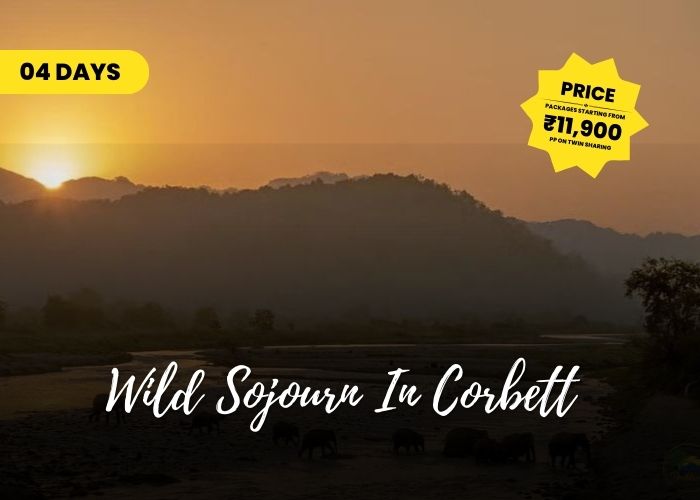
The combination of dense cover and open areas creates an ideal habitat for a wide variety of fauna. The open grasslands, which are remnants of the old village fields, provide excellent grazing grounds for herbivores like deer, elephants, and wild boars. Meanwhile, the surrounding forests shelter apex predators like tigers and leopards.
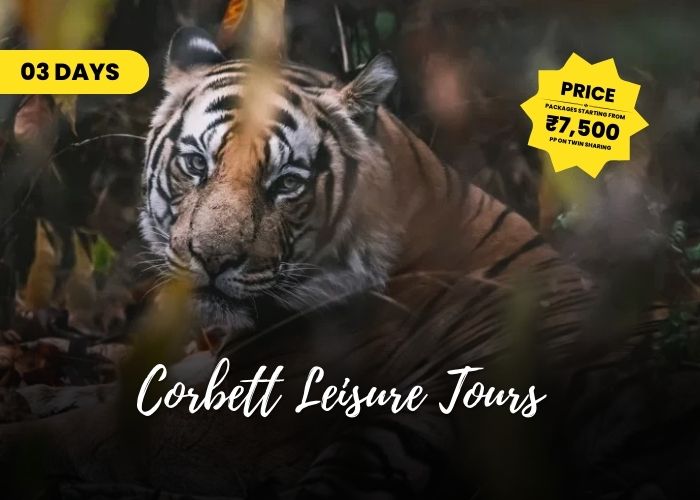
Jhirna Zone is particularly famous for its high density of herbivores and regular sightings of Royal Bengal Tigers. Though tiger sightings depend on luck and timing, visitors frequently encounter pugmarks, scratch marks, and other signs of their presence, which adds to the thrill of the safari.
Some of the commonly sighted animals in Jhirna Zone include:
The avian population of Jhirna is equally impressive. The zone is a birdwatcher’s paradise with over 250 recorded bird species. Notable birds include crested serpent eagle, red junglefowl, white-throated kingfisher, green bee-eater, woodpeckers, and various migratory birds during winter. The symphony of birdsong in the early morning hours is one of the most serene experiences a visitor can enjoy.
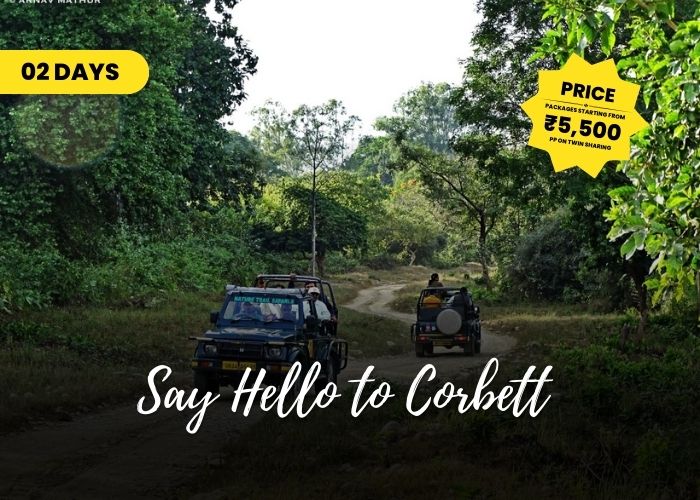
The Jeep Safari is the primary mode of exploring Jhirna Zone. Each safari lasts about 3–4 hours and can be undertaken either in the morning or afternoon. Only 30 vehicles are allowed to enter the zone in each shift, ensuring that the ecosystem remains undisturbed and the experience remains intimate.
The safari begins at the Jhirna Gate, where the permit, ID proofs, and guide are verified before entry. Once inside, the trail takes visitors through a mix of dense forest tracks, open meadows, and dry river beds. The anticipation builds as every turn in the trail can reveal something spectacular—a majestic tiger crossing the path, a herd of elephants enjoying a mud bath, or a peacock dancing in the golden sunlight.
Unlike Dhikala, which offers canter safaris and accommodation inside the forest, Jhirna provides Jeep safaris only, but this allows for a more personalized and flexible exploration. The official guides accompanying each jeep are well-trained and share fascinating insights into animal behavior, plant life, and the ecosystem of Corbett.
While there is a Forest Rest House (FRH) inside Jhirna Zone, its availability is limited and requires advance booking through the official Corbett Tiger Reserve website. Staying inside the rest house allows visitors to experience the true essence of the jungle—complete with the sounds of nocturnal creatures and a breathtaking sunrise over the forest canopy.
For most tourists, staying in Ramnagar or nearby resorts in Dhela, Sawaldeh, or Kyari villages is more convenient. These areas offer a range of accommodations, from budget-friendly lodges to luxury wildlife resorts equipped with modern amenities, swimming pools, and guided safari arrangements.
While Jhirna Zone is open year-round, the best time to visit depends on what kind of experience you seek:
As part of Corbett Tiger Reserve, Jhirna Zone follows strict conservation policies. Visitors must adhere to all rules set by the forest department:
These guidelines ensure that the delicate ecosystem remains protected while allowing visitors to experience nature responsibly.
Jhirna Zone offers an authentic and thrilling jungle experience that blends accessibility, diversity, and serenity. Whether you’re an avid wildlife photographer aiming to capture the perfect shot of a tiger, a birdwatcher listening to the call of the hornbill, or a family looking for an adventurous getaway, Jhirna never disappoints.
Its combination of scenic landscapes, diverse wildlife, and peaceful atmosphere makes it one of the most enriching zones of Jim Corbett National Park. It’s not just a safari—it’s a window into the raw, untamed soul of nature.
Conclusion:
The Jhirna Zone stands as a testament to the success of wildlife conservation in India. What was once farmland has transformed into a flourishing wilderness that shelters some of the planet’s most magnificent creatures. Visiting Jhirna is not merely about spotting a tiger; it’s about experiencing the rhythm of the forest, understanding the balance of nature, and appreciating the silent coexistence of all living beings.
If you’re planning your next Corbett safari, make sure Jhirna Zone is on your itinerary. It’s a journey that promises adventure, serenity, and a deep connection with the wild heart of Uttarakhand.