Durgadevi Zone, a serene part of Jim Corbett National Park, offers a tranquil wilderness experience away from crowded zones. Known for its undulating hills, dense Sal forests, and riverine landscapes, it provides ideal habitats for tigers, leopards, elephants, and diverse deer species. Birdwatchers enjoy spotting colorful avian life, while photographers capture misty mornings and wildlife moments. With fewer visitors, Durgadevi ensures peaceful safaris, making it perfect for nature lovers seeking adventure, solitude, and an intimate connection with Uttarakhand’s rich biodiversity.
It's highly recommended to book well in advance, especially the safari permits, which open slots up to 45 days prior. The Official Corbett Tiger Reserve website is the only source to get a safari permit. You'll need to provide ID details for all visitors. Be aware that permits are generally non-refundable. Corbett Waala also facilitate Corbett Safari bookings, often including permit, jeep, and a guide. Remember to carry your original ID!
You can only book a permit through the official website, rest other essentials like jeep and guide need to book manually. You can simply ask us to do all the hard work for you.
Jim Corbett National Park, located in Uttarakhand, is one of the most popular wildlife destinations in India. Known as the country’s first national park and the birthplace of Project Tiger, it attracts thousands of wildlife lovers every year. The biggest highlight of visiting Corbett is undoubtedly the jungle safari, which allows visitors to explore the dense forests, riverbeds, and grasslands while spotting tigers, elephants, leopards, deer, and hundreds of bird species.
If you are planning a Corbett jungle safari, here’s everything you need to know about the types of safaris, different zones, the best time to visit, useful tips, and answers to the most asked questions.
Nestled within the verdant expanses of Jim Corbett National Park, the Durgadevi Zone is one of the park’s lesser-known yet enchanting regions. Named after the revered Goddess Durga, this zone offers visitors a tranquil escape into the wilderness, away from the bustling tourist spots like Dhikala and Bijrani. Its unique blend of hilly terrains, riverine forests, and lush greenery makes Durgadevi a perfect destination for wildlife enthusiasts, photographers, and nature lovers seeking a serene yet adventurous safari experience.
Unlike the more popular zones of Corbett, Durgadevi retains a raw and untouched charm, offering a more intimate encounter with nature. With its moderate accessibility and comparatively fewer crowds, the zone provides a sense of solitude, making it an ideal spot for those who wish to immerse themselves fully in the wild heart of Uttarakhand.
The Durgadevi Zone is strategically located within Jim Corbett National Park and shares its boundaries with the Dhela and Bijrani zones. It lies amidst gentle hills and river valleys, creating a varied topography that supports a diverse range of flora and fauna. Though not as frequently visited as some of the other zones, Durgadevi can be accessed through well-maintained forest roads.
Travelers typically reach the zone from Ramnagar, which serves as the main gateway to the park. The drive from Ramnagar to the Durgadevi entry point takes approximately 45 minutes to an hour, depending on the route and traffic conditions. Along the way, visitors can enjoy scenic landscapes featuring dense forests, open grasslands, and quaint Uttarakhand villages, providing a sneak peek into rural life in the foothills of the Himalayas.
For wildlife enthusiasts who wish to explore multiple zones in one trip, Durgadevi offers a balanced experience. It is neither overly crowded nor completely isolated, making it suitable for both first-time visitors and seasoned nature lovers.
Durgadevi Zone is renowned for its picturesque hilly terrain. Unlike the flat grasslands of Dhikala or Bijrani, the undulating hills, slopes, and ridges here create natural vantage points for spotting wildlife. The presence of small streams and rivers adds to the scenic beauty and provides essential water sources for animals during dry months.
The vegetation in Durgadevi is varied, consisting of Sal forests, mixed deciduous trees, and riverine vegetation. Trees like Sal, Teak, Haldu, and Rohini dominate the forests, providing shelter and food for herbivores and a dense canopy that supports diverse bird species. Patches of grasslands interspersed with forested areas allow predators to stalk their prey while offering tourists excellent photo opportunities.
The combination of hills, forests, and water sources creates a micro-ecosystem that attracts a wide variety of wildlife. Nature photographers and wildlife enthusiasts often find Durgadevi ideal for capturing candid moments in the wild. The early mornings, when the mist blankets the hills and birds begin their melodious calls, are particularly mesmerizing.One of the most compelling reasons to visit Durgadevi Zone is its rich wildlife population. Though it is less commercialized compared to other zones, Durgadevi supports a healthy ecosystem that hosts a range of mammals, birds, and reptiles.
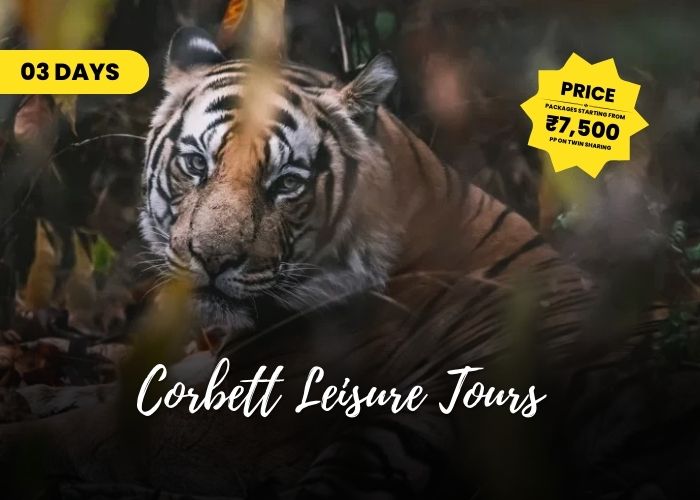
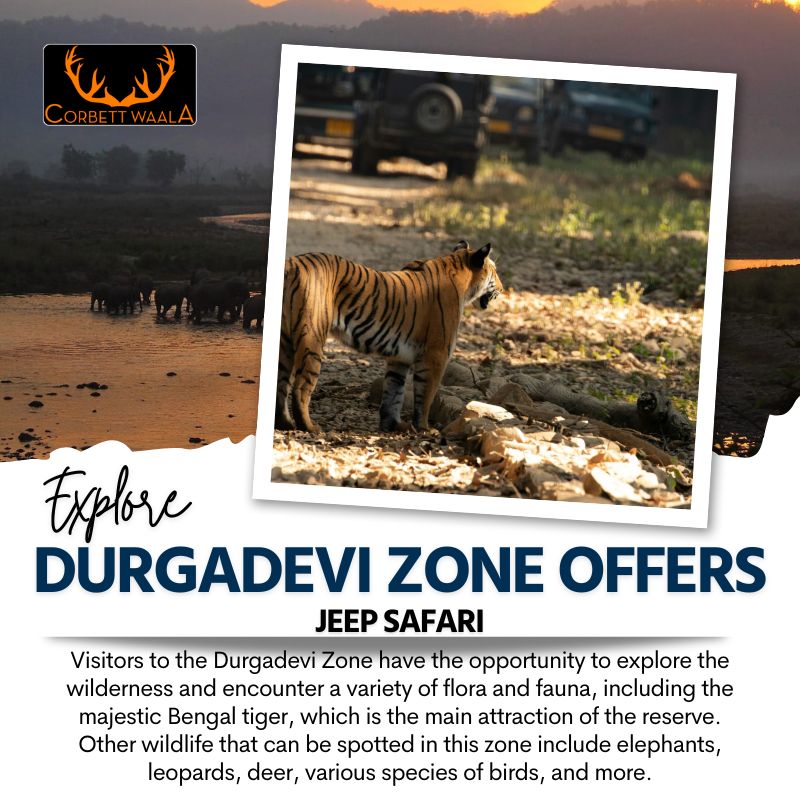
Predators:The zone is home to the elusive Royal Bengal Tiger, though sightings are less frequent than in Dhikala or Bijrani. Leopards are more commonly spotted along the hilly terrains, often perched on rocky outcrops or stealthily moving through dense forests. Other carnivores include jackals, striped hyenas, and occasionally wild cats.
Herbivores:Durgadevi boasts a variety of herbivores, including sambar deer, chital (spotted deer), barking deer, and nilgai (blue bull). Elephants occasionally roam through the zone, particularly near riverbanks, creating an awe-inspiring experience for visitors. Wild boars are also frequently seen rooting through the forest undergrowth.
Birdlife:Birdwatchers will find Durgadevi particularly rewarding. With over 200 species of birds recorded, the zone is a paradise for avian enthusiasts. Visitors can spot kingfishers, woodpeckers, eagles, hornbills, and migratory species during winter months. Early mornings are ideal for spotting vibrant bird species perched amidst the forest canopy or hovering near water sources.
Reptiles and Amphibians:The streams and rivers in Durgadevi support a variety of reptiles and amphibians, including monitor lizards, cobras, pythons, and frogs. Although sightings are less common, they add to the zone’s biodiversity, making it a holistic wildlife destination.
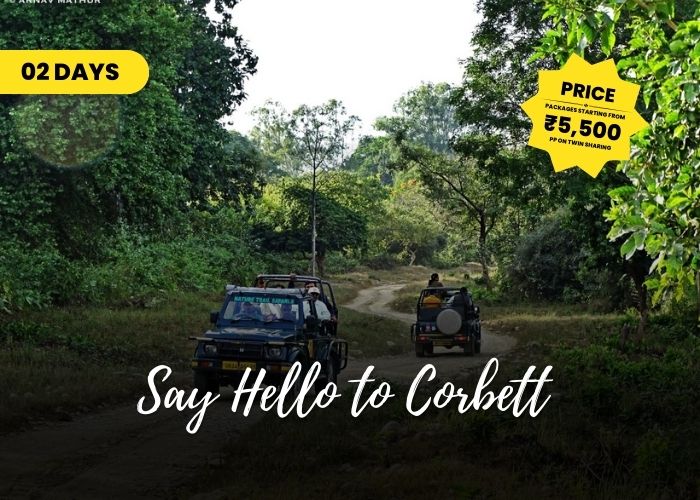
Exploring Durgadevi Zone is an immersive experience, offering both adventure and tranquility. Safari tours are conducted in open 4x4 Jeeps accompanied by trained naturalists or government-approved guides. These guides provide valuable insights into the flora, fauna, and ecological significance of the park, ensuring visitors gain a deeper understanding of the wilderness.
The safari routes in Durgadevi are designed to cover diverse habitats, from dense forests to open meadows and riverbanks. A typical safari lasts 3 to 4 hours, depending on wildlife activity and visitor interest. Because the zone is less crowded, jeeps often move at a slower pace, allowing tourists to spot animals, take photographs, and enjoy the peaceful ambiance of the forest.
Unlike Dhikala, Durgadevi does not have overnight forest lodges inside the zone. However, its proximity to Ramnagar allows visitors to stay in comfortable resorts, eco-lodges, or jungle retreats while exploring the wilderness during the day. This arrangement balances comfort with adventure, making it suitable for families, solo travelers, and wildlife photographers alike.
Durgadevi Zone is open year-round, although accessibility may vary during heavy monsoons. Each season offers a unique perspective of the forest:
For wildlife enthusiasts seeking a higher chance of spotting predators, winter and post-monsoon seasons are recommended. Birdwatchers, however, may prefer the monsoon and early winter months for rich avian diversity.
While the Durgadevi Zone itself does not feature forest rest houses, several accommodation options are available nearby:
Many resorts provide packages that include meals, guided safaris, and transport, allowing tourists to focus on exploring the wilderness rather than logistical arrangements.
Durgadevi Zone is part of Jim Corbett National Park’s eco-tourism initiatives. By promoting responsible tourism, the zone ensures minimal disturbance to wildlife while providing educational and recreational experiences for visitors.
Tourists are encouraged to follow park rules, maintain cleanliness, avoid loud noises, and respect the natural habitat. Such practices not only enhance the visitor experience but also contribute to the long-term conservation of this pristine environment.
Durgadevi Zone is a hidden gem of Jim Corbett National Park that offers a unique blend of adventure, wildlife, and serenity. Its diverse landscape, rich biodiversity, and peaceful ambiance make it distinct from other zones. Visitors can expect:
For travelers seeking a combination of adventure, tranquility, and wildlife photography, Durgadevi Zone is a must-visit destination.
Conclusion:
Durgadevi Zone exemplifies the untouched beauty of Jim Corbett National Park. It offers visitors a rare chance to experience nature in its most authentic form, with fewer crowds and unparalleled opportunities for wildlife encounters. Whether it’s the thrill of spotting a tiger, the joy of photographing a vibrant bird, or the serenity of walking amidst dense forests and rivers, Durgadevi provides an enriching and unforgettable journey into the wild.
For wildlife enthusiasts, photographers, and nature lovers, a safari in Durgadevi Zone is not just a visit—it’s an exploration of the wild heart of Uttarakhand, an experience that lingers long after leaving the forest trails.