Discovering the Wild: Jhirna Zone Safari in Jim Corbett
[cite: 3]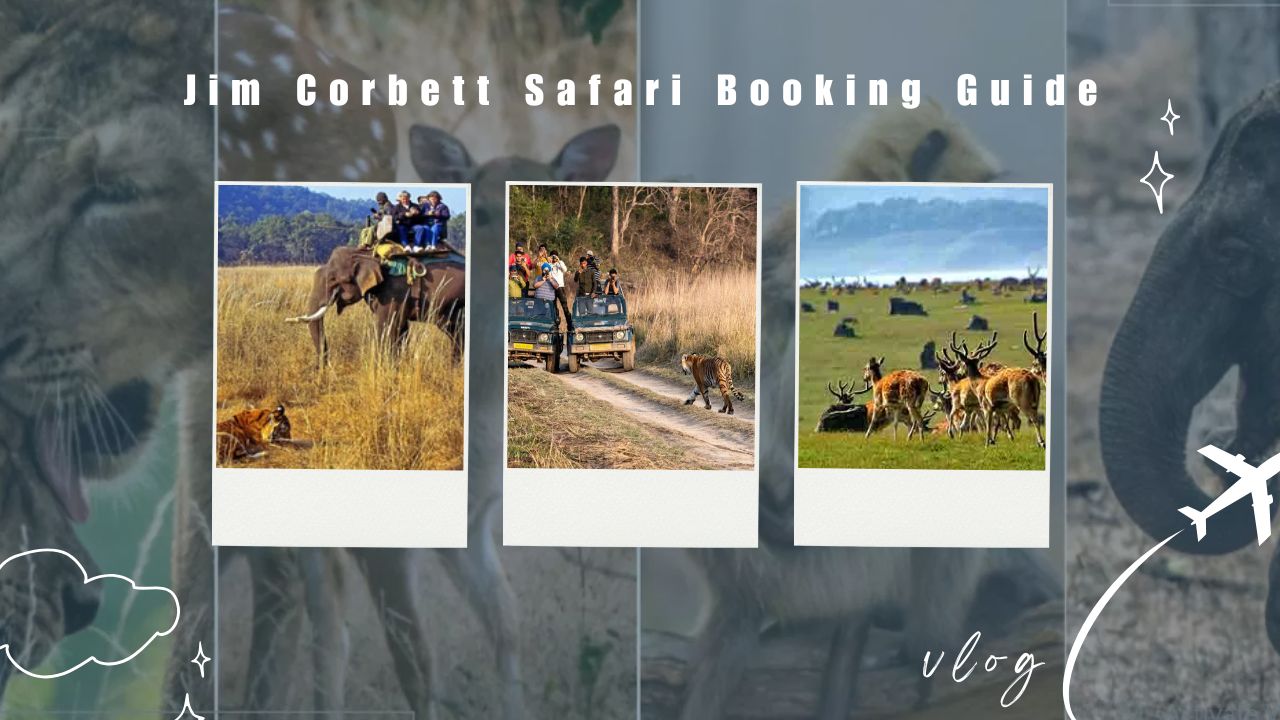
Most of the zones in Jim Corbett National Park are closed during the monsoon season[cite: 3]. There is one place that is always open for people who love nature[cite: 3]. The Jhirna zone safari in Jim Corbett is very special[cite: 3]. It is easy to get to[cite: 3]. You can see many different kinds of animals[cite: 3]. This makes it a great place to visit for any traveler[cite: 3].
The Year-Round Wonder
[cite: 3]Jhirna, as compared to the Bijrani or Dhikala zones, is open to tourists throughout the 12 months (depending on weather conditions)[cite: 3]. This is why it is the main place of visit by people who travel during the monsoon seasons (July to September)[cite: 3]. Although seeing tigers is never a certainty, another thing that the Jhirna Zone is known to have is the Sloth Bear and the wild Asiatic Elephant[cite: 3].
Topography and Landscape
[cite: 3]Jhirna is at the south of the park and it was once a village of farmers[cite: 3]. The land became a part of the Tiger Reserve in 1994 and the inhabitants were resettled[cite: 3]. Nature has taken back the land today, and made it a green place of dry deciduous forest and secondary vegetation[cite: 3]. The big open grasslands have good visibility and one can easily see the animals at a distance than in the thicker areas of the park[cite: 3].
Major Wildlife attractions of Jhirna
[cite: 3]Jhirna Zone Safari in Jim Corbett is famous for its amazing biodiversity:
[cite: 3]- The Sloth Bear: Jhirna is regarded as a prime location in the whole Corbett Tiger Reserve to see the elusive Sloth Bear[cite: 3].
- Wild Elephants: You will often come upon the large herds of them going through the bamboo thickets[cite: 3].
- Tigers and Leopards: The tiger population in Jhirna has been steadily increasing during the past ten years although fewer in number compared to Bijrani[cite: 3].
- Birding: Due to its unusual topography, Jhirna hosts a myriad of bird species such as the Great Pied Hornbill and several kinds of owls[cite: 3].
Glance of Safari Details
[cite: 3]- Entry Gate: Dhela Gate (also within the Dhela Zone)[cite: 3].
- Distance: Indian distance, it is about 15 km[cite: 3].
- Safari Timings: Morning (6:00 AM – 9:30 AM) and Afternoon (2:30 PM – 6:00 PM)[cite: 3].
- Permits: There are not more than 30 Jeeps per shift, which means that one needs to pre-book on Corbettwaala.com[cite: 3].
The Experience of a Jhirna Safari
[cite: 3]The drive through Jhirna is characterized by wide trails and dry riverbeds[cite: 3]. The calmness which prevails here is unsurpassable[cite: 3]. Since it will be a little less trafficked than Bijrani, you will have more time to study animal behavior without the hustle of two or three Jeeps[cite: 3]. At this zone is the beautiful place, the "Laldhang Chaur," where herds of deer and wild boar graze with ease[cite: 3].
Why Book with Corbettwaala?
[cite: 3]It can be complicated to plan a Jhirna zone safari in Jim Corbett because of the availability of permits and the distances of the gates[cite: 3]. Corbettwaala.com relieves you of the pressure of travelling[cite: 3]. We provide:
- Confirmed Jeep Safari tickets[cite: 3].
- Expert drivers and guides who know the secret tracks of Jhirna[cite: 3].
- Smooth transportation to the Dhela Gate to your resort[cite: 3].
Conclusion
[cite: 3]The Jhirna Zone is a demonstration of the fact that Jim Corbett is more than just tigers[cite: 3]. It is about the rhythm of the forest, the call of the bear, and the view of a herd of elephants passing by[cite: 3]. Whichever time of the year you decide to go there, Jhirna will always be a steadfast gateway to the wild wonders of Uttarakhand[cite: 3].